.png)
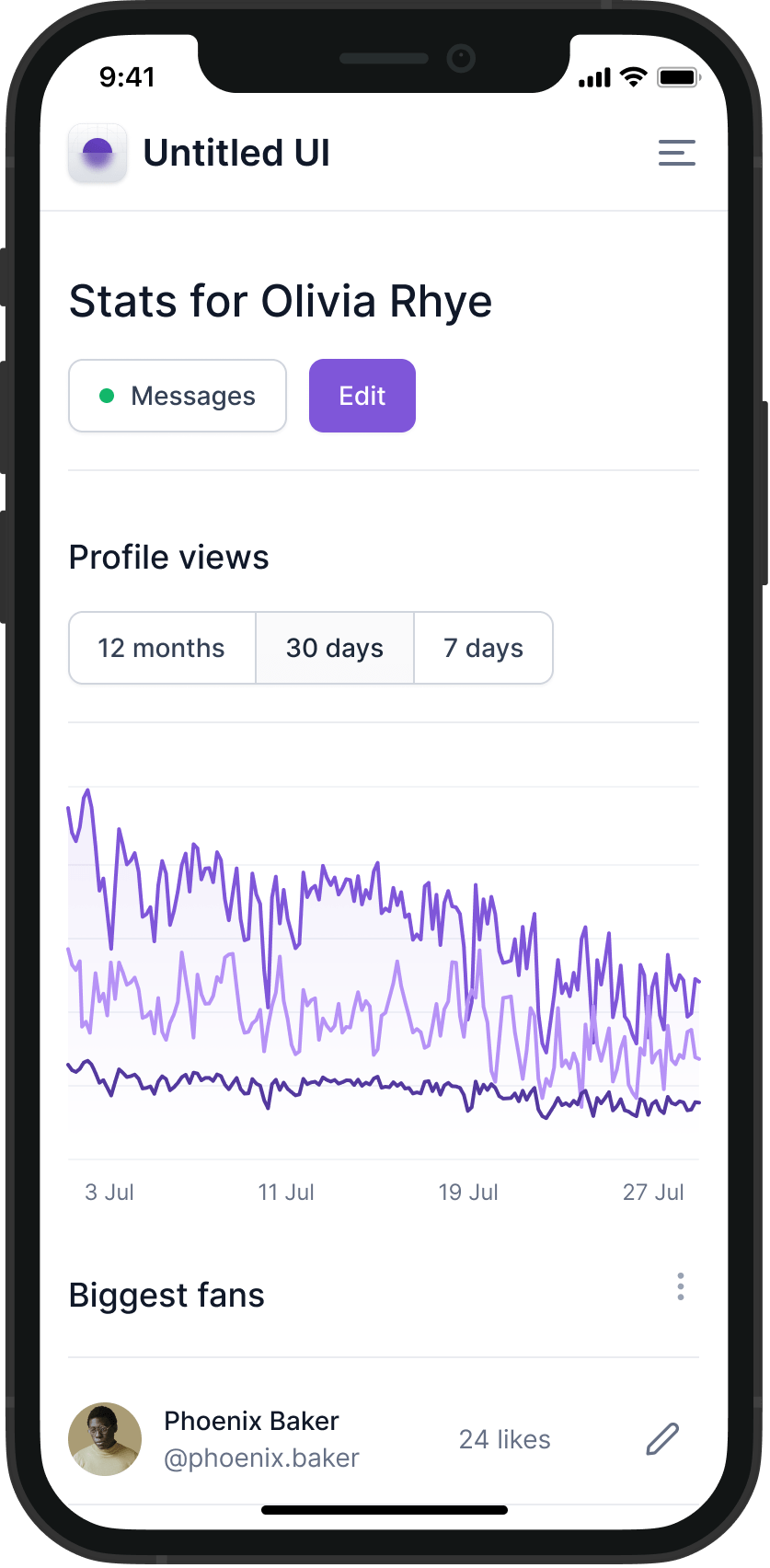
In the digital age, your website serves as the cornerstone of your online identity, whether you're a budding artist, a burgeoning business, or a community-oriented non-profit. The journey from concept to launch can be intricate, filled with decisions that shape the final outcome. Let’s embark on a detailed exploration of how to pinpoint the type of website that best fits your needs and navigate the design process to ensure it resonates with your audience.
The initial step is to clarify the purpose of your website, as this directly influences its design and functionality. Here’s a breakdown of various website types:
Personal Websites: A digital portfolio or blog where individuals share their work, ideas, or stories. Ideal for artists, writers, and freelancers looking to carve out their personal brand online.
Business Websites: The digital storefront for companies, detailing services, product offerings, and company ethos, often equipped with contact forms and customer service features.
E-commerce Platforms: Online marketplaces where products or services are sold directly to consumers, requiring robust shopping cart and payment processing capabilities.
Blogs: Thematic sites dedicated to ongoing content about specific subjects, from cooking to technology, offering fresh perspectives and insights.
News Outlets: Sites focused on delivering news, updates, and commentary on current events across various sectors.
Non-profit Organizations: Platforms that promote causes, facilitate donations, and provide resources for community support.
Educational Resources: Sites offering learning materials, course content, and educational tools for both formal and informal learners.
Portfolio Sites: Showcases for creative work, providing a visual resume of an individual’s projects and accomplishments.
Social Networks: Platforms that foster community, allowing users to connect, share, and engage with content and each other.
Each type of website has unique requirements and considerations. Understanding these nuances is paramount in creating a site that not only looks appealing but functions effectively for its intended purpose.
Once the purpose of your website is crystal clear, the design phase can begin. This process is multi-faceted, involving several crucial steps:
Defining Goals: Establish what you aim to achieve with your website. Clear goals will steer your design choices, from layout to content.
Understanding Your Audience: Who are you speaking to? Knowing your audience shapes the design, making it appealing and functional for those who visit your site.
Structuring Your Site: Draft a site map to outline the structure of your website, ensuring intuitive navigation and logical content arrangement.
Selecting Colors and Fonts: Choose a color scheme and typography that align with your brand and are visually engaging. These elements play a significant role in the aesthetic appeal and readability of your site.
Designing Layouts: Plan the arrangement of elements across your pages. A well-thought-out layout enhances user experience by making information accessible and actions straightforward.
Crafting Content: Content is the core of your website. Produce material that is engaging, informative, and relevant to your audience's interests and needs.
Optimizing for SEO: Implement SEO best practices to improve your site’s visibility on search engines, driving more traffic to your site.
Testing and Refinement: Evaluate your site’s performance across different devices and browsers. Use feedback to refine and improve your design continuously.
To create a layout that stands out, here are five best practices to keep in mind:
Responsive Design: Ensure your site looks great on any device, providing a seamless experience whether on a phone, tablet, or desktop.
Clear Hierarchy: Use visual cues to guide visitors through your content, highlighting key information and making your site easy to navigate.
Intuitive Navigation: Design a navigation system that is easy for your users to understand and use, minimizing frustration and enhancing satisfaction.
Mobile-First Approach: With the dominance of mobile browsing, start designing for smaller screens to ensure your site is universally accessible.
Utilization of Whitespace: Employ whitespace strategically to create a clean, uncluttered look that focuses attention on your content.
In essence, a well-designed website is more than just visually appealing; it's a tool that serves your strategic objectives, engages your audience, and enhances your online presence. By following these guidelines, you can create a site that not only meets but exceeds expectations, setting a solid foundation for your digital journey.
Have a project in mind?